

Make a Move To Miami With These Essential Tips

Moving to Miami sounds pretty straightforward when you’ve spent enough time here. You know the beaches, you’ve probably got favorite restaurants, and maybe you already have friends or business connections in South Florida. But visiting Miami and actually living here are two very different things. Where you land can change your whole experience, especially when you start comparing places like Coral Gables, Miami Beach, Palm Beach, and other parts of Miami Dade that can look close enough on a map but feel very different once you’re dealing with everyday life. That’s why I wouldn’t plan the move around the house or condo alone, no matter how much you love it. Before you start looking seriously, write down five things you do all the time in your current city and make sure your new place in South Florida won’t make every one of them harder.
Start With What Your Week Actually Looks Like
It’s easy to fall for a part of Miami when you’re visiting for a couple of days. You stay somewhere nice, have a great dinner, spend an afternoon by the water, and think, “Yep, I could live here.” Maybe you could, but a weekend on Miami Beach isn’t the same as living there when you’ve got an early meeting across the bay, and a beautiful home in Coral Gables hits differently when you start thinking about where you’ll actually spend most of your week. Think about the boring stuff because, well, that’s most of life. Where are you going to work out, buy groceries, meet people, keep a boat if that’s part of the plan, get to the airport, or grab dinner when you don’t feel like turning it into an event? Here’s an easy way to check yourself: write down ten things you do during a normal week and see how easy they’d be from every Miami area neighborhood you’re considering.
Don’t Let a Great Property Talk You Into the Wrong Neighborhood
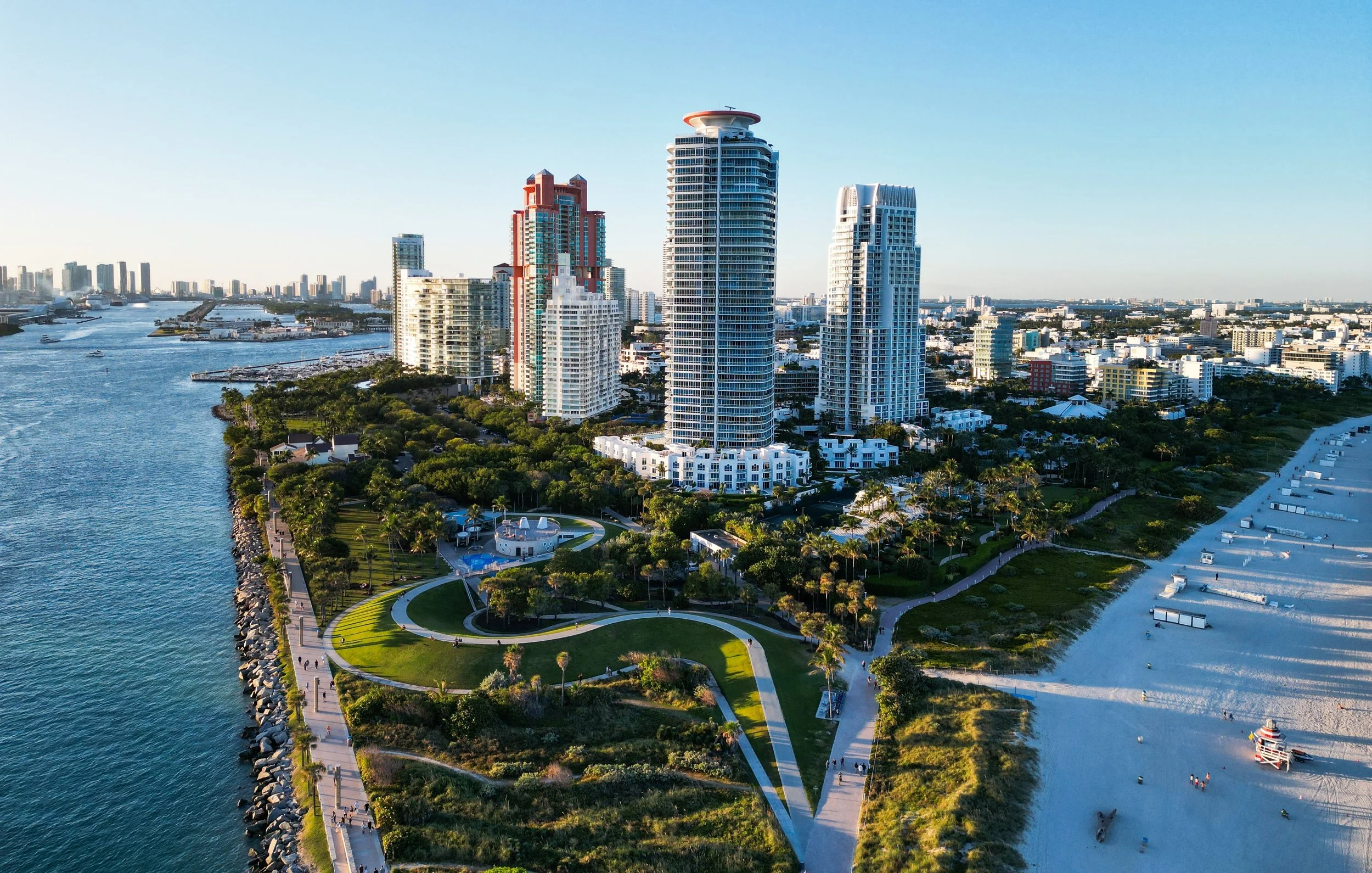
This one’s tough because Miami has plenty of properties that can make you forget just about everything you said you wanted. You walk in, see the water, the terrace, the pool, or the privacy, and suddenly that location you weren’t sure about starts looking pretty good. Give it a minute. A waterfront condo on Miami Beach, a larger property in Coral Gables, and a home farther north toward Palm Beach can all be fantastic choices, but they’re going to give you very different versions of South Florida life. Go back to the area without your broker, get coffee, have dinner, deal with the traffic, and walk around when nobody’s showing you the highlights. Before you make an offer, spend one weekday morning and one weekday evening in the neighborhood and ask yourself whether you’d still want to be there once it stops feeling like a vacation.
Drive the Routes You’re Going to Drive
Here’s something you figure out pretty quickly in Miami: something can look close on a map and still take a lot longer to reach than you expected. Water, bridges, traffic, events, and the time of day can all change a trip, especially if you’re regularly moving between Miami Beach and the mainland. So don’t look at the mileage and decide something is “close enough.” Get in the car and drive from the property you’re considering to the places you’ll actually go, whether that’s your office, Miami International Airport, a club, your kids’ school, Brickell, the beach, or wherever you expect to spend time. You may find that the place you loved during the showing adds a frustrating amount of travel to your week, or that a neighborhood you almost overlooked makes your daily routine much easier. Pick your three most common destinations and make the real round trip at the time you’d normally travel before you sign anything.

Use the Move to Take Another Look at Your Career
Moving to Miami also gives you a pretty natural excuse to ask yourself whether you want to keep doing exactly what you’ve been doing. Maybe the answer is yes, and that’s fine, but a move can put different companies, industries, investors, and professional circles in front of you. If you spot gaps in your qualifications, earning a degree could help you build your background and open up job possibilities in a competitive city market. And going back to school doesn’t necessarily mean dropping everything else, since online degree programs can make it possible to work full time and keep up with your studies at the same time. If tech is where you want to go, for instance, a flexible online computer science degree can help you build skills in IT, programming, and computer science theory. Pull up five Miami area positions you’d seriously consider, even if you’re not job hunting yet, and see which qualifications keep showing up that you don’t currently have.
Start Meeting People Before You Need Something
You probably don’t think much about your network until you move somewhere you don’t have one. Back home, you might already have a person for just about everything, or at least know somebody who knows somebody. Then you get to Miami and suddenly you’re asking basic questions like, “Who’s a good attorney here?” or “Who do you use for that?” Start making those connections early, and remember that your Miami circle may look different depending on where you settle and where you do business. Coral Gables has a substantial international business presence, for example, while your day to day circle on Miami Beach or farther north in Palm Beach may develop around completely different routines and communities. Before you move, ask five people you already trust to introduce you to one person each in South Florida, and you’ll arrive knowing a few actual humans instead of starting with an empty contact list.

Make Sure You Build a Life Outside of Work
This is an easy one to mess up because work will happily take every hour you give it. A couple of months go by and you realize you know Brickell, the airport, and a handful of restaurants really well, but you still don’t feel like you actually live in Miami. You don’t need some huge social strategy to fix that. Find a gym you like, become a regular somewhere, join a club, make new friends, play golf or tennis, spend time on the water, or do whatever you’d probably be doing if you’d lived here for five years already. Your options will look different depending on whether your home is Coral Gables, Miami Beach, Palm Beach, or somewhere else in Miami Dade, and that’s kind of the point. Pick one thing that has absolutely nothing to do with work and put it on your calendar every week for the next two months.
Deal With the Annoying Stuff Before You Move
Nobody wants to spend a Saturday updating addresses, dealing with insurance, transferring records, sorting out vehicles, or figuring out why something important is still being mailed to the old house. Do as much of that stuff as you can before the move. Make one big list with your utilities, insurance, banks, doctors, vehicles, mail, memberships, household services, security, regular deliveries, and anything else that depends on where you live. If you’re moving into Palm Beach, Miami Beach, Coral Gables, or another municipality, check the local resident information too because services, permits, registrations, parking, and other everyday details can vary by location; Palm Beach, for example, maintains a dedicated new resident resource covering utilities, property related matters, vehicles, and local services. And if you’ve got multiple properties, business interests, or financial arrangements in different states, this is a good time to check in with the legal, tax, insurance, and financial people who know your situation. Set aside an hour, make the list, put somebody’s name next to every item, and give each one a deadline. The funny thing about moving to Miami is that the big decisions usually aren’t the ones that determine whether you enjoy living here. It’s the little stuff you repeat all week that starts to matter. Put a ninety day check in on your calendar now, and when it comes around, ask yourself one simple question: what’s making life harder than it needs to be, and what can I change this week?
Lock In Your Miami Relocation Plan and Florida Real Estate Upside
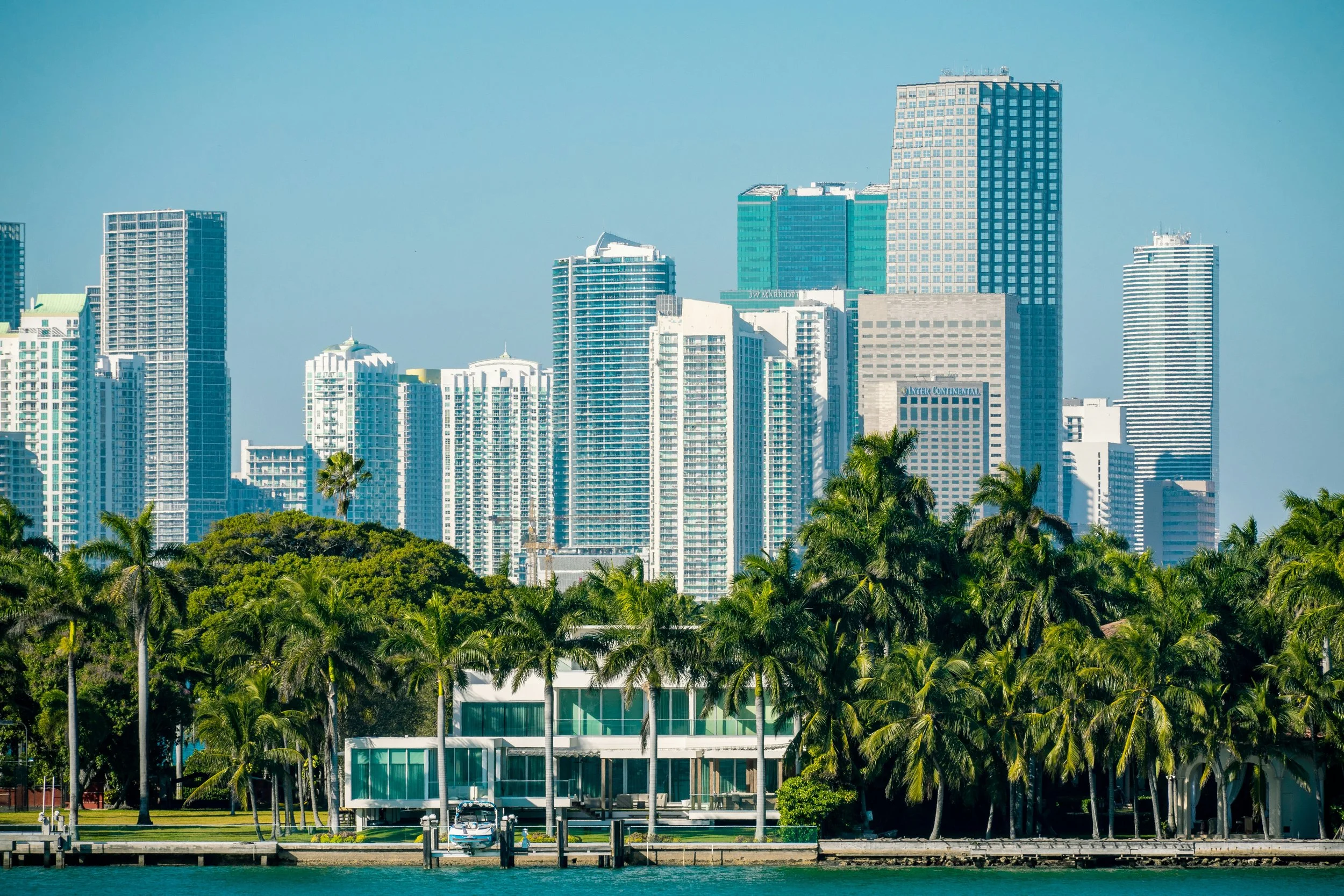
Relocating significant wealth to Miami can feel like a tug-of-war between speed, privacy, and getting the details right on taxes, visas, and luxury real estate. The steadier path is the mindset this guide has emphasized: informed decision making, clear sequencing, and preparing for a luxury move as both a financial and lifestyle shift. Done well, Miami relocation benefits show up quickly, cleaner logistics, better day-to-day fit, and stronger wealth growth prospects in Miami alongside a long-term investment in Florida real estate. Make the move like an investor: decide, document, and settle with intention.
__
Brought to you by Amanda Sawyer at Compass.